Understanding Containerized Water Treatment Systems
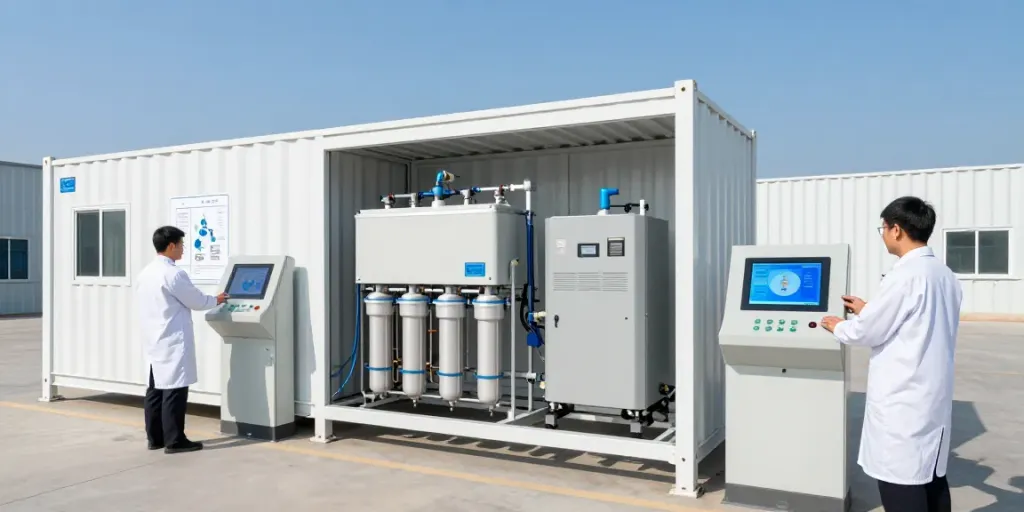
Containerized water treatment systems have emerged as a revolutionary solution in the domain of water purification, enabling municipalities, industries, and remote locations to access clean, safe drinking water. These systems are designed with modular flexibility in mind, allowing for tailored water treatment processes that can be adapted to a variety of scenarios. They stand out due to their ease of relocation and reuse, making them ideal for dynamic environments that require quick adjustments in water treatment infrastructure. For those researching options, working with a water treatment systems manufacturer can provide comprehensive insights into designing a solution that meets specific needs, regardless of the quality of incoming water.
What are Containerized Water Treatment Systems?
Containerized water treatment systems are compact, portable units that house all the necessary equipment for water purification within a single container. These systems can perform a variety of water treatment processes, including filtration, reverse osmosis (RO), and disinfection, all while being easily transportable. Their design allows for on-site deployment in a matter of days, as opposed to the months often required for traditional water treatment facilities.
Key Features of Modular Water Treatment Solutions
One of the hallmark features of containerized water treatment systems is their modularity. This characteristic allows these units to be customized according to specific treatment requirements. Key features include:
- Flexibility: Configurable designs enable treatment of various water sources.
- Rapid Deployment: Systems can be set up and operational within 3-7 days.
- Space Efficiency: Occupying only a fraction of the space compared to traditional plants.
- Remote Monitoring: Equipped with intelligent control systems for real-time oversight and adjustments.
Advantages Over Traditional Water Treatment Methods
The advantages of containerized water treatment systems over traditional methods are significant:
- Time Efficiency: Installation and operational readiness are achieved in a fraction of the time, typically 3-6 months for traditional systems.
- Cost Savings: Reduced construction timelines and simplified site preparation lead to lower costs.
- High Reusability: An impressive reusability rate of over 90% allows for quick relocation and integration into new locations.
- Resource Recycling: Ability to incorporate reclaimed water reuse modules, promoting sustainability.
Core Benefits of Choosing a Reliable Water Treatment Systems Manufacturer
Selecting the right manufacturer is crucial for ensuring that your water treatment needs are met efficiently and effectively. A reputable manufacturer will provide systems that align with best practices in the industry and ensure high-quality outcomes.
Identifying Quality in Water Treatment Solutions
Quality indicators include the materials used, technological advancements, and overall system reliability. Manufacturers ought to employ high-grade components in their systems, which are tested for performance under various conditions to ensure durability and efficiency.
Importance of Advanced Technology in Manufacturing
Advanced technologies such as integrated monitoring systems, automated controls, and energy-efficient processes are vital for modern water treatment. These innovations not only optimize performance but also ensure compliance with environmental regulations, thereby enhancing overall system reliability.
How to Ensure Compliance with Industry Standards
It's essential that your chosen water treatment systems manufacturer adheres to industry standards, such as ISO certifications and local regulations. This can be verified through third-party audits and quality assurance certifications, which guarantee that the systems not only meet but exceed required benchmarks.
Evaluating Performance Metrics of Water Treatment Systems
Understanding performance metrics is key for monitoring the effectiveness of water treatment solutions. Assessing these metrics helps ensure that the systems are operating at their peak efficiency and delivering the desired water quality.
Key Performance Indicators for Water Quality
Performance indicators should focus on various aspects of water quality such as turbidity, total dissolved solids (TDS), microbial presence, and chemical composition. Regular testing of these parameters ensures that the treated water meets safety standards.
Measuring Efficiency and Cost-Effectiveness
Efficiency metrics include energy consumption, operational downtime, and maintenance frequency. Cost-effectiveness can be assessed by comparing the initial setup and ongoing operational costs against the quality of water produced. Regular reviews and audits can offer insights into areas for cost reduction without compromising quality.
Real-World Case Studies and Applications
Numerous case studies illustrate the effectiveness of containerized systems in various applications. For instance, remote mining sites have successfully implemented mobile water treatment solutions, addressing water scarcity and quality issues in challenging environments.
Common Challenges in Water Treatment System Implementation
While numerous advantages exist, there are challenges that may arise during the implementation of containerized water treatment systems which need to be proactively managed.
Addressing Misconceptions About Containerized Systems
Misconceptions often arise regarding the capacity and effectiveness of containerized systems. It's critical to educate stakeholders on the capabilities of these systems, showcasing their adaptability and efficiency as robust alternatives to traditional methods.
Dealing with Site-Specific Limitations
Site conditions such as soil stability, accessibility, and proximity to existing infrastructure can affect deployment. Prior assessments and careful planning are essential to mitigate these risks and ensure successful implementation.
Strategies for Successful System Integration
Effective integration of containerized systems into existing frameworks requires careful coordination with local authorities, infrastructure assessments, and workforce training. Engaging stakeholders early in the planning process fosters collaboration and smoother transitions.
Future Trends in Water Treatment Systems and Technologies
As the demand for clean water continues to rise, innovations in water treatment technology will shape the future of the industry. Staying ahead of trends is essential for manufacturers and users alike.
Emerging Innovations in Water Treatment
Key innovations include advancements in membrane technology, developments in nanotechnology for filtration, and improvements in renewable energy usage to power treatment processes. These technologies enhance efficiency and reduce environmental impact.
Sustainability Practices in Water Treatment Manufacturing
Manufacturers are increasingly focusing on sustainable practices, such as minimizing waste, maximizing energy efficiency, and utilizing environmentally friendly materials in their systems. Sustainability not only enhances corporate reputation but also meets consumer demands for eco-conscious solutions.
Predictions for Industry Growth and Changes by 2026
The water treatment industry is expected to see substantial growth driven by innovations and increased regulatory pressures for safe drinking water. Investment in containerized and modular systems will likely surge as industries and municipalities seek more resilient and adaptable solutions.
What are the key advantages of containerized water treatment systems?
Containerized systems provide flexibility, faster deployment, space efficiency, and high reusability rates, making them a preferred choice in various applications.
How do I choose the right water treatment systems manufacturer?
Focus on quality, technological advancements, industry compliance, and reputation. Evaluate potential manufacturers through references and case studies.
What performance metrics should I consider for water treatment systems?
Essential metrics include water quality parameters, operational efficiency ratings, maintenance needs, and cost-effectiveness analyses.
What challenges should I anticipate during system implementation?
Common challenges include addressing misconceptions, site-specific constraints, and the need for integration with existing infrastructure.
What future trends should I be aware of in the water treatment industry?
Emerging technologies, sustainability practices, and regulatory changes are shaping the future of water treatment solutions, necessitating ongoing adaptation and innovation.