Understanding CNC Machining Parts
CNC (Computer Numerical Control) machining parts are the backbone of precision manufacturing, enabling the production of complex components with remarkable accuracy and efficiency. Since 2003, Honscn has focused on delivering high-quality CNC machining services tailored to the specific needs of various industries. Through our expertise, we have established ourselves as a leading cnc machining parts manufacturer and supplier. In this article, we will delve deep into the world of CNC machining parts, examining their significant technological foundations, applications across industries, and the paramount importance of quality in production.
What Are CNC Machining Parts?
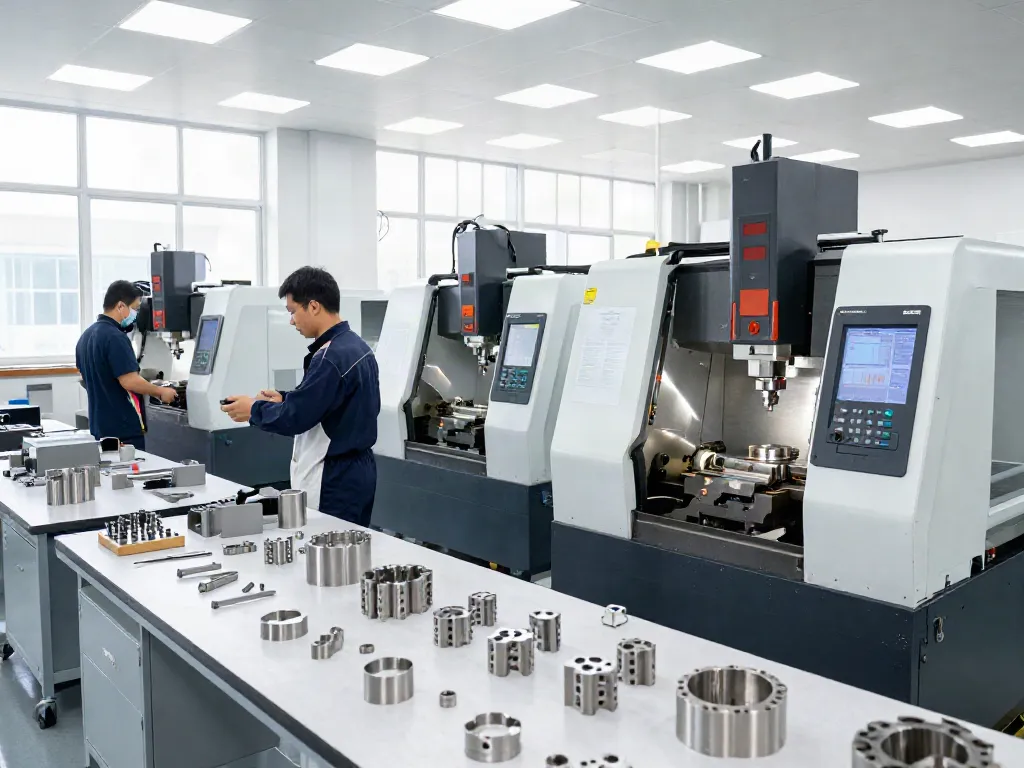
CNC machining parts are components manufactured using CNC machines, which utilize cutting, drilling, and milling processes to shape materials into specified designs. These parts can be made from various materials, including metals, plastics, and composites, and are essential in industries ranging from aerospace to medical devices. The precision offered by CNC machining allows for components to meet stringent specifications, reducing the risk of errors and improving product performance.
Key Technologies Behind CNC Machining
Several key technologies drive the efficiency and precision of CNC machining:
- 3D Modeling Software: Before machining, detailed 3D designs are created using CAD (Computer-Aided Design) software. This software helps in visualizing the component and ensuring accurate specifications.
- CNC Controllers: These devices interpret CAD files and control the machine's movements, ensuring precise cutting actions according to the programmed design.
- Tooling: Advanced tooling technologies such as carbide and ceramic tools enhance the durability and accuracy of the machining process.
- Quality Assurance Technologies: Integrating technologies such as laser scanning and CMM (Coordinate Measuring Machines) helps in maintaining high-quality standards by verifying that components meet design specifications throughout the manufacturing process.
Applications of CNC Machining Parts Across Industries
CNC machining parts have a wide range of applications in various sectors, including but not limited to:
- Aerospace: Producing lightweight and durable components that can withstand extreme conditions.
- Automotive: Creating precision parts for engines, suspensions, and other critical systems.
- Medical: Manufacturing custom implants and surgical instruments that require exact specifications.
- Electronics: Crafting intricate housings and components for consumer devices.
Choosing the Right CNC Machining Services
Selecting a reliable CNC machining service provider is crucial for ensuring high-quality outputs and maintaining project timelines. Here are key factors to consider:
Factors to Consider When Selecting a CNC Machining Supplier
When choosing a CNC machining supplier, consider the following elements:
- Experience: Look for a provider with a proven track record in your industry.
- Quality Assurance: Ensure the company employs strict quality control measures throughout the production process.
- Machining Capabilities: Assess the technologies they use and their ability to handle various materials and complex designs.
- Customer Support: Good communication and support are essential in addressing concerns and ensuring satisfaction.
Common Mistakes in CNC Machining Service Selection
Here are common pitfalls to avoid when selecting a CNC machining service:
- Overlooking Reviews: Failing to check user reviews can lead to poor choices. Actual customer feedback provides insight into reliability and quality.
- Ignoring Certifications: Ensure that the supplier has the necessary certifications that comply with industry standards, such as ISO 9001.
- Not Requesting Prototypes: Always ask for prototypes before full-scale production to verify quality and precision.
Comparing Different CNC Machining Techniques
Understanding the different CNC machining techniques can help you choose the right one for your project:
- CNC Milling: Ideal for creating complex shapes with high precision, milling involves rotating cutters that remove material from a stationary workpiece.
- CNC Turning: Best for cylindrical parts, this technique rotates the workpiece against a fixed cutter to achieve the desired dimensions.
- EDM (Electrical Discharge Machining): Useful for hard materials, EDM uses electrical sparks to remove material and create intricate designs.
Quality Assurance in CNC Machining
Ensuring the quality of CNC machined parts is essential for reliability and performance. Quality assurance processes help maintain standards throughout production.
Importance of Quality Control for CNC Machined Parts
Quality control for CNC machined parts is critical for several reasons:
- Safety: Ensure that parts meet safety standards and function correctly, especially in critical applications like aerospace and medical devices.
- Cost-Efficiency: Reducing defects minimizes waste and rework, fostering a more efficient production process.
- Client Satisfaction: Consistently delivering high-quality parts enhances customer trust and loyalty.
Technologies Used in Quality Assurance
Modern quality assurance in CNC machining incorporates various technologies:
- Optical Inspection: High-precision cameras are used to inspect components for defects and dimensional accuracy.
- Automated Testing: Robotics and sensors help in testing parts for functionality and durability.
- Data Analytics: Leveraging data to analyze production processes can uncover inefficiencies and drive improvements.
Case Studies of Successful Quality Management
Many leading manufacturers have demonstrated the power of rigorous quality management:
- Case Study 1: A medical device company improved product consistency by implementing real-time monitoring systems, significantly reducing defects.
- Case Study 2: An aerospace component manufacturer adopted advanced analytics to track quality metrics, resulting in a 20% reduction in rework.
Future Trends in CNC Machining
As we look toward the future, several trends are emerging that will shape the landscape of CNC machining:
Innovations Shaping CNC Machining Parts in 2026
Technological advancements will continue to redefine CNC machining. Innovations such as artificial intelligence (AI) for process optimization and additive manufacturing integration will enhance capabilities and reduce lead times.
Emerging Technologies and Their Impact
Some notable emerging technologies include:
- AI and Machine Learning: These technologies will streamline operations, predict maintenance, and optimize production cycles.
- IoT Integration: Connecting machines to the internet enables real-time monitoring and data collection for improved decision-making.
- Advanced Materials: The rise of new composites and alloys will open new possibilities for component design and functionality.
Predicted Challenges and Opportunities Ahead
While the future is bright, challenges such as skill shortages and supply chain disruptions may arise. However, these can also present opportunities for companies that prioritize training and diversification of their suppliers.
Building Long-term Relationships with CNC Suppliers
Establishing a long-term partnership with your CNC supplier can yield significant benefits in quality and efficiency.
Strategies for Effective Communication with Your CNC Partner
Effective communication fosters a collaborative environment. Consider the following strategies:
- Regular Check-Ins: Schedule consistent meetings to discuss progress, challenges, and feedback.
- Transparency: Be open about expectations and any changes in requirements to ensure alignment.
- Feedback Loops: Establish mechanisms for providing and receiving feedback to continuously improve the collaboration.
Benefits of Long-term Partnerships in CNC Machining
Building a long-term relationship with your CNC supplier offers numerous advantages:
- Cost Savings: Established relationships can lead to better pricing and terms over time.
- Improved Lead Times: Continuously working with a supplier often results in faster production and delivery as processes become streamlined.
- Trust and Reliability: A strong partnership fosters trust, ensuring that both parties work together to resolve issues quickly.
Real-life Examples of Successful Collaborations
Numerous companies have seen significant benefits from long-term partnerships. For instance, a leading automotive manufacturer partnered with its CNC machining supplier to develop custom parts, resulting in an overall improvement in efficiency and product quality.
How Much Does CNC Machining Cost?
The cost of CNC machining can vary significantly based on factors such as material type, complexity of the design, and volume of production. Typically, costs are estimated on a per-part basis, with additional charges for setup and tooling.
What Are the Most Common CNC Machined Components?
Common CNC machined components include:
- Shafts
- Plates
- Casing and housings
- Brackets
How Do CNC Machining Parts Differ Across Materials?
CNC machining parts vary in performance characteristics based on the material used:
- Aluminum: Lightweight and corrosion-resistant, ideal for aerospace applications.
- Stainless Steel: Offers high strength and durability, suitable for medical devices.
- Plastic: Versatile and cost-effective, often used in consumer products.
What Are the 7 Major Parts of a CNC Machine?
The primary components of a CNC machine include:
- Controller
- Drive Motors
- Spindle
- Table
- Frame
- Coolant System
- Tool Holder
Can a CNC Machinist Make 100k a Year?
Yes, a skilled CNC machinist can earn a salary of $100,000 or more annually, particularly in regions with high demand for precision machining and specialized expertise.