Understanding SHASHEL® Technology
In today's world, the preservation of wooden structures is vital, not just for aesthetic appeal but also for maintaining the integrity of our homes and industrial buildings. One innovative solution gaining traction in the pest control industry is the SHASHEL® system. This cutting-edge microwave technology offers a chemical-free method for eradicating wood-boring insects like woodworms and beetles, ensuring that wooden products remain intact and safe for use. When exploring options, SHASHEL® provides comprehensive insights into efficient pest management strategies.
What is SHASHEL® and How Does It Work?
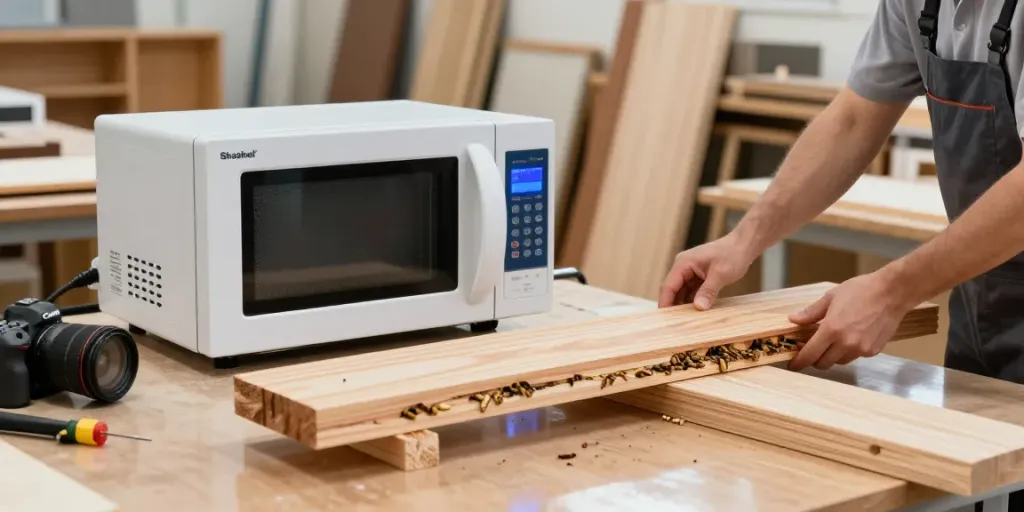
SHASHEL® refers to a unique technology that uses microwaves to eliminate wood-destroying insects. The device operates by generating specific microwave frequencies that penetrate wooden materials, effectively raising the temperature to a lethal level for the pests. This process targets not only the adult insects but also their eggs and larvae, providing a thorough treatment without the use of harmful chemicals.
The technology is based on the principle that microwaves can produce heat through moisture absorption. Since wood contains moisture, the microwaves heat the moisture within the wood, killing the pests by dehydration and thermal shock. This method is particularly effective in various types of wood products, regardless of the structure's size or location.
Key Benefits of Using SHASHEL® Equipment
- Chemical-Free Approach: The SHASHEL® method eradicates insects without the use of toxic chemicals, making it safe for humans, pets, and the environment.
- Rapid Treatment: With SHASHEL®, infestations can be fully addressed in a matter of minutes, saving valuable time compared to traditional methods.
- Deep Penetration: The microwaves penetrate deep into wood, ensuring that all life stages of insects are destroyed effectively.
- Versatile Applications: This technology can be used in various settings, from homes and offices to warehouses and outdoor structures.
Why Choose Microwave Treatment Over Traditional Methods?
Traditional pest control methods often involve harsh chemicals that can leave residues and pose health risks. In contrast, the SHASHEL® technology offers a greener alternative. It eliminates the need for toxic fumigants or sprays that not only harm the environment but can also lead to long-term health issues for occupants.
Moreover, the targeted nature of microwave treatment minimizes the impact on surrounding materials. Unlike conventional methods that might damage the wood during treatment, SHASHEL® ensures that the wood remains intact, preserving its structural integrity and value.
Identifying Wood-Boring Insect Infestations
To effectively utilize SHASHEL® technology, it is crucial to identify potential insect infestations early. Recognizing the signs of wood-boring insects allows homeowners and businesses to take prompt action and prevent extensive damage.
Common Types of Wood-Boring Insects
- Woodworms: These larvae of various beetles are notorious for boring into wood, often going unnoticed until significant damage occurs.
- House Longhorn Beetle: Known for their distinctive long antennae, these beetles can cause severe structural damage if left uncontrolled.
- Powderpost Beetles: These pests leave fine powder in their wake and are often found in hardwood furniture.
Signs of Infestation to Look For
Identifying an infestation early can save substantial costs and prevent irreversible damage. Look for the following signs:
- Boring Holes: Small entrance holes in the wood surface are a telltale sign of wood-boring insects.
- Frass: This is the wood dust or powder excreted by the insects, usually found near the boring holes.
- Visible Damage: Weak spots in wooden structures or furniture can indicate the presence of an infestation.
Assessing Damage in Wooden Structures
Before treatment with SHASHEL®, it’s essential to assess the extent of the damage caused by infestations. This involves checking structural integrity, which can often be done by tapping on wooden surfaces to identify hollow sounds. If necessary, consult a professional for a thorough inspection and evaluation.
Step-by-Step Guide to Using SHASHEL® Devices
The process of using SHASHEL® devices requires careful preparation and adherence to safety protocols to ensure effective treatment and safety during operation.
Preparing Your Workspace for Treatment
Before initiating the treatment, confirm that the area is clear of unnecessary items and ensures proper ventilation. Remove any sensitive materials that could be affected by heat, such as textiles or paper products. Setting up the SHASHEL® equipment should be done according to the manufacturer's guidelines to ensure optimal performance.
Operating the SHASHEL® Equipment Safely
During operation, it is vital to follow safety instructions meticulously. Always wear protective gear, including gloves and glasses, to safeguard against any potential hazards. Monitor the treatment process closely, adjusting settings as required based on the wooden material being treated.
Post-Treatment Care for Treated Wood
After the SHASHEL® treatment, allow the wood to cool down before handling. It is crucial to inspect the treated areas for any remaining signs of infestation. Regular maintenance checks can help prevent future infestations and prolong the life of your wood products.
Real-World Applications of SHASHEL® Technology
The versatility of SHASHEL® technology allows it to be effectively used in various applications, demonstrating its effectiveness across different environments.
Case Studies: Successful Treatments in Various Settings
Numerous businesses have reported success with SHASHEL® technology. For instance, a historical building that faced recurrent infestations was treated using SHASHEL® equipment. The result was a significant improvement in wood quality without any detrimental effects on the building’s structural integrity.
Testimonials from Professional Users
Many pest control professionals endorse SHASHEL® for its efficiency and effectiveness. Customers have expressed satisfaction with the immediate results, particularly noting the absence of chemical odors and residues post-treatment.
Innovative Uses Beyond Wood Treatment
In addition to its main application, SHASHEL® technology is being explored for other uses, such as treating stored food products and textiles vulnerable to pests, showcasing its adaptability.
Future Trends in Pest Control and Wood Treatment
As we move toward 2026, the pest control industry is evolving rapidly. The integration of new technology and consumer awareness will shape the future landscape of pest management.
Emerging Technologies in Insect Control
With the rise of smart technologies, pest control methods will increasingly rely on data-driven approaches. Innovations like automated monitoring systems and AI-powered analysis are expected to enhance the effectiveness of treatments.
Predicted Changes in Consumer Preferences by 2026
Consumers are becoming more environmentally conscious, which will drive demand for chemical-free solutions like SHASHEL®. As awareness grows, products that employ sustainable practices will likely dominate the market.
Sustainable Practices in Pest Management
As sustainability becomes a priority, pest control companies will need to adapt. Methods that reduce chemical usage and focus on long-term solutions will gain traction, aligning with the growing trend of eco-friendly practices.
What are the Long-term Benefits of SHASHEL®?
The long-term benefits of employing SHASHEL® technology include enhanced preservation of wooden structures, reduced maintenance costs, and a healthier environment free from harmful chemicals. By choosing this advanced method, users not only protect their investments but also contribute to sustainable pest management practices.