Understanding Product Configurator Development
In today's competitive landscape, companies are increasingly recognizing the importance of product configurators in enhancing customer experience and streamlining the purchasing process. A product configurator is a powerful tool that allows customers to customize products according to their preferences, making the buying process not only more interactive but also more engaging. This level of personalization is crucial as customers today expect tailored solutions that meet their specific needs. For businesses, implementing a product configurator development strategy can lead to increased sales, improved customer satisfaction, and reduced time-to-market for new products.
What is a Product Configurator?
A product configurator is a digital tool that allows users to create personalized product solutions in real-time. This interactive interface enables customers to select various product features, such as dimensions, colors, and materials, and immediately see how their selections affect the overall product. This dynamic interaction not only enhances user engagement but also helps eliminate potential buyer's remorse by providing a clear visual representation of the final product before purchase.
The Importance of Customization in Modern Business
Customization has become a critical differentiator in today's marketplace. Customers appreciate the ability to make choices that reflect their unique needs and preferences. By offering a product configurator, businesses can cater to this demand for personalization. This capability not only strengthens customer loyalty but also drives higher conversion rates, as customers are more inclined to purchase products that they have customized themselves.
Core Components of a Product Configurator
Developing an effective product configurator involves several key components:
- User Interface (UI): The design and flow of the configurator must be intuitive and user-friendly to encourage user engagement.
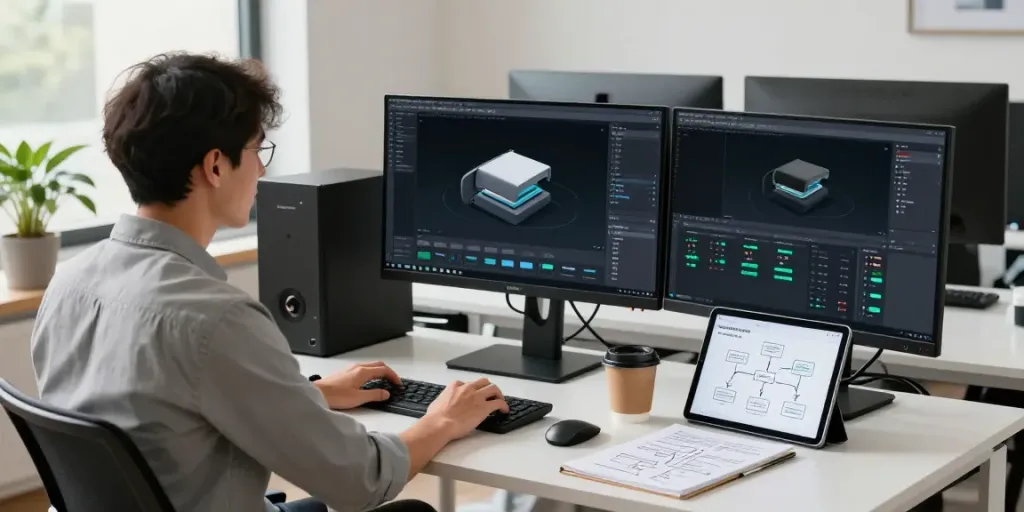
- 3D Visualization: High-quality 3D models allow users to visualize their customizations in real-time, enhancing the overall experience.
- Rules Engine: A robust rules engine ensures that users can only select viable options, preventing invalid configurations.
- Pricing Logic: Real-time pricing updates based on user selections help provide transparency and facilitate decision-making.
- Integration Capabilities: The configurator should seamlessly integrate with existing systems, such as ERP and CRM, to ensure a smooth workflow.
Planning Your Product Configurator Implementation
Successful product configurator development begins with thorough planning. A well-defined strategy is essential for aligning the configurator's capabilities with business objectives and user needs.
Identifying Business Objectives and User Needs
Before diving into the development process, it’s crucial to identify the key business objectives the configurator will serve. Are you looking to increase sales, reduce lead times, or enhance customer satisfaction? Understanding these goals will guide the design and functionality of the configurator. Concurrently, gathering insights into user needs through market research and user interviews will ensure that the configurator meets the expectations and preferences of its intended audience.
Defining the Scope and Features of the Configurator
Once you have clarity on your objectives, the next step is to define the scope of the configurator. This involves selecting which products will be included, determining the extent of customization options available, and outlining essential features such as 3D visualization and pricing updates. Prioritizing features based on user impact and feasibility will help in creating a focused development plan.
Creating an Actionable Implementation Roadmap
An actionable roadmap is vital to guide the implementation. This should include milestones, timelines, and responsibilities for each phase of development, from initial prototyping to final launch. Establishing a clear timeline helps ensure that the project remains on track and allows for timely evaluations of progress against objectives.
Common Challenges in Product Configurator Development
While implementing a product configurator can result in numerous benefits, several challenges may arise during the development process.
Addressing Technical Integration Obstacles
Integrating the configurator with existing systems is one of the most significant challenges. Ensuring compatibility with ERP, CRM, and other business systems requires careful planning and robust technical expertise. Failure to address these integration challenges can lead to data silos and inefficiencies that undermine the configurator’s potential.
Navigating User Experience Design Challenges
The user experience (UX) design of the configurator is crucial for its success. A poorly designed interface can lead to frustration, resulting in abandoned carts and lost sales. Therefore, prioritizing UX design involves extensive user testing and iteration to ensure the configurator is intuitive and engaging.
Understanding Pricing and Rule Management
Implementing a rules engine to manage pricing and product options effectively is vital in preventing invalid configurations. Inadequate management of these rules can lead to unexpected costs and customer dissatisfaction. Developing a comprehensive pricing strategy that aligns with your business model is essential.
Best Practices for Effective Product Configurator Design
Adhering to best practices can significantly enhance the effectiveness of a product configurator.
Implementing User-Centric Design Principles
User-centric design principles should guide every aspect of the configurator's development. This includes creating a streamlined interface, minimizing the number of clicks required to complete a configuration, and providing users with clear feedback on their selections. Regular user testing during the development phase can provide valuable insights into user preferences and behaviors.
Testing and Validation Strategies for Configurators
Thorough testing and validation are necessary to ensure that the configurator operates correctly and meets user expectations. This can include functional testing to ensure all elements work as intended, as well as usability testing to gauge user satisfaction. Implementing feedback loops allows for continuous improvement post-launch.
Continuous Improvement and Feedback Loops
After the configurator goes live, it is essential to monitor user interactions and gather feedback. Implementing analytics can help identify areas for improvement, and regular updates based on user feedback can help maintain the configurator's relevance and effectiveness in meeting user needs.
Future Trends in Product Configurator Development
As technology evolves, so too do the capabilities of product configurators. Keeping abreast of emerging trends is crucial for businesses that wish to maintain a competitive edge.
Emerging Technologies in Product Customization
Advancements in technologies such as augmented reality (AR) and artificial intelligence (AI) are enhancing the capabilities of product configurators. AR, for instance, allows users to visualize products in their own environment, while AI can help recommend options based on user preferences and past behavior.
Predicting the Next Big Trends for 2026
Anticipating trends such as increased personalization and the implementation of machine learning algorithms can prepare businesses for future developments in product configurator technology. Companies that invest in research and development to explore these trends will likely take the lead in the marketplace.
Preparing for Market Changes and Consumer Needs
The market is consistently changing, driven by shifts in consumer preferences and technological advancements. Businesses must remain flexible and ready to adapt their configurator solutions to meet these evolving demands, ensuring that they continue to provide value to their users.
What is a product configurator?
A product configurator is a tool that enables customers to customize products based on their specifications, visualizing modifications in real-time to assist in decision-making.
How to create a product configurator?
Creating a product configurator requires careful planning around user needs, features, and technical integrations, followed by implementation and testing phases to ensure functionality and user satisfaction.
What is the best product configurator software?
The best product configurator software varies by industry needs, but key features to look for include 3D visualization, a robust rules engine, and integration capabilities with existing systems.