Understanding Turnkey PCB Assembly
In the rapidly evolving landscape of electronics manufacturing, turnkey PCB assembly has emerged as a comprehensive solution for companies looking to streamline their production processes. This innovative approach integrates all manufacturing activities into a single package, allowing businesses to focus on design and growth while leaving the complexities of procurement, assembly, and quality assurance to specialized providers. This article explores the intricacies of turnkey PCB assembly, examining its benefits, common misconceptions, and its relevance in today’s market.
What is Turnkey PCB Assembly?
Turnkey PCB assembly refers to a service model where a manufacturer handles every aspect of PCB production from design to delivery. This includes sourcing components, fabricating PCBs, assembling them, and conducting rigorous testing to ensure quality. By opting for turnkey solutions, companies can significantly reduce the time and resources spent on managing multiple suppliers, allowing for faster product development and time-to-market.
Key Benefits for Manufacturers
- Efficiency: With a single point of contact for all manufacturing needs, businesses can reduce miscommunication and streamline workflows.
- Cost-Effectiveness: Consolidating services often leads to lower costs compared to managing multiple vendors.
- Quality Assurance: Turnkey providers typically implement stringent quality control standards, which can enhance product reliability.
- Supply Chain Management: By centralizing procurement and production, manufacturers can better manage their supply chains and avoid delays.
Common Misconceptions Explained
Despite its numerous advantages, many businesses harbor misconceptions about turnkey PCB assembly. Some believe that turnkey services compromise on quality due to the rapid pace of service. In reality, reputable turnkey providers implement rigorous quality control measures at every stage of production. Others worry about losing control over the manufacturing process. However, most turnkey manufacturers encourage collaboration and communication to ensure client specifications are met accurately.
Components Sourcing for Turnkey PCB Projects
One of the critical aspects of successful turnkey PCB assembly is efficient component sourcing. Accurate and timely sourcing can mean the difference between meeting production deadlines and facing costly delays.
Effective Strategies for Component Procurement
To ensure seamless sourcing of components, businesses should consider the following strategies:
- Establish Strong Supplier Relationships: Building and maintaining relationships with reliable suppliers can lead to better pricing, priority service, and more favorable terms.
- Diversify Suppliers: Relying on a single supplier can be risky. Diversifying your sources helps mitigate supply chain disruptions.
- Leverage Technology: Utilizing supply chain management software can enhance procurement efficiency by providing real-time insights and analytics.
Addressing Supply Chain Challenges
Supply chain issues can significantly impact the PCB assembly process. Problems such as component shortages, rising prices, and geopolitical factors can disrupt production timelines. Companies should adopt strategies such as maintaining a buffer stock of essential components and having contingency plans in place to address potential supply chain interruptions.
Choosing the Right Suppliers
When selecting suppliers for a turnkey PCB project, companies should assess potential partners based on several criteria:
- Quality Certifications: Suppliers with certificates like ISO 9001 often have rigorous quality management systems in place.
- Industry Experience: Suppliers experienced in your specific industry may better understand unique requirements and challenges.
- Customer Reviews: Researching customer feedback can provide insight into a supplier's reliability and service quality.
Assembly Process Overview
The assembly process in turnkey PCB projects involves several critical steps, each integral to delivering a high-quality final product.
Step-by-Step Guide to PCB Assembly
- Design Verification: Ensure the PCB design meets all specifications and is ready for manufacturing.
- Component Procurement: Source all necessary components based on the Bill of Materials (BOM).
- PCB Fabrication: Manufacture the printed circuit board using specified materials and processes.
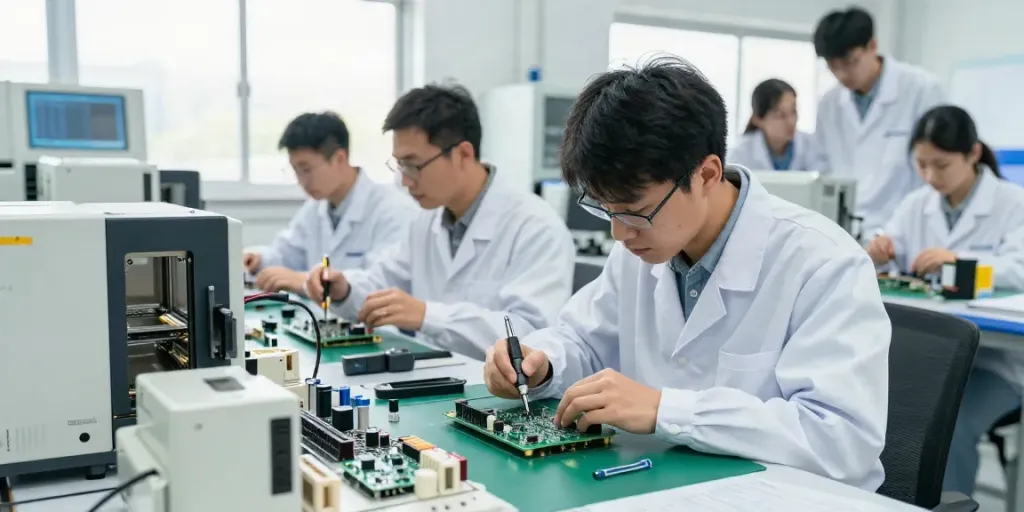
- Assembly: Assemble all components onto the PCB using techniques like surface mount technology (SMT) and through-hole assembly.
- Testing: Conduct functional and quality tests to ensure the assembly meets industry standards.
- Packaging and Delivery: Once approved, the assembled PCB is packaged and delivered to the client.
Tools and Technologies Used
Modern PCB assembly relies on advanced machinery and software, including:
- Solder Paste Printers: These printers apply solder paste on PCB pads for component placement.
- Pick and Place Machines: Automated machines that accurately position electronic components on the PCB.
- Reflow Ovens: Used to melt solder paste, solidifying the connections between components and the PCB.
- Automated Optical Inspection (AOI): Systems that inspect PCB assemblies for defects and ensure quality control.
Quality Control Measures in Turnkey Assembly
Quality control is paramount in PCB assembly. Turnkey providers typically implement a variety of measures, including:
- In-Process Inspections: Regular inspections during the assembly process to catch defects early.
- Final Testing: Comprehensive testing of the completed PCB to ensure it meets operational specifications.
- Traceability: Keeping records of materials and processes used for each assembly to facilitate recalls if necessary.
Cost Factors in Turnkey PCB Assembly
Understanding the costs involved in turnkey PCB assembly is crucial for budgeting and financial planning.
Understanding Pricing Structures
The pricing for turnkey PCB assembly can vary widely based on several factors, including:
- Component Costs: Prices can fluctuate based on market demand and availability.
- Volume of Production: Higher volumes often lower the per-unit cost due to economies of scale.
- Complexity of Design: More complex designs require more sophisticated manufacturing techniques and quality assurance, impacting overall costs.
How to Minimize Costs Effectively
Companies looking to control costs in PCB assembly can adopt various strategies:
- Optimize Design: Simplifying designs can reduce component counts and assembly complexity.
- Negotiate Bulk Pricing: Work with suppliers to negotiate better rates on bulk purchases of components.
- Streamline Processes: Identifying and eliminating inefficiencies in the production process can reduce costs significantly.
Budgeting for Turnkey Projects
When budgeting for turnkey PCB assembly, it is wise to account for both direct costs (materials, labor, etc.) and indirect costs (overhead, testing, etc.). Establishing a comprehensive budget can help manage expectations and ensure projects stay on track financially.
Future Trends in Turnkey PCB Assembly
As technology evolves, so does the landscape of turnkey PCB assembly. Staying ahead of trends is essential for manufacturers aiming to remain competitive.
Emerging Technologies Shaping the Market
Several emerging technologies are expected to influence the future of PCB assembly:
- Automation: Increased automation in assembly processes can lead to greater efficiency and reduced labor costs.
- Smart Manufacturing: IoT-enabled machines can provide real-time data for monitoring and optimizing production.
- 3D Printing: This technology is increasingly being explored for producing PCBs, offering rapid prototyping options.
Predictions for 2026 and Beyond
Looking ahead, industry experts predict that turnkey PCB assembly will continue to grow, driven by a demand for faster turnaround times and higher quality products. Sustainability will also become more important, with manufacturers focusing on eco-friendly materials and processes.
Adapting to Industry Changes
As the market evolves, companies must remain flexible and adaptable. This may mean investing in new technologies and continuously training staff on the latest manufacturing techniques and standards.
How much does it cost to assemble a PCB?
The cost of PCB assembly can vary significantly based on design complexity, component choices, and production volume. Businesses are encouraged to gather quotes from multiple turnkey providers to find competitive pricing.
What does a PCB assembly do?
PCB assembly involves the process of soldering electronic components onto a printed circuit board, enabling the assembly to perform its designated electronic functions.
Why is PCB assembly so expensive?
Factors contributing to the expense of PCB assembly include material costs, labor expenses, quality control measures, and the complexities involved in assembling high-quality products.
Can you make your own PCBs at home?
Yes, enthusiasts can manufacture their own PCBs at home using DIY kits and methods such as etching and printing; however, this may not be feasible for high-volume production.
What are the benefits of turnkey PCB assembly?
Turnkey PCB assembly provides numerous benefits including streamlined processes, cost savings, and enhanced quality control, making it an appealing option for many manufacturers.