Understanding the Role of a Custom Wire Harness Manufacturer
In the modern landscape of electrical manufacturing, a Custom wire harness manufacturer plays a pivotal role in ensuring the seamless integration of electrical components across various industries. By providing tailored solutions that meet specific technical requirements, these manufacturers streamline processes, enhance product reliability, and contribute significantly to the overall performance of electrical systems. Understanding the intricacies of custom wire harness manufacturing is essential for businesses seeking high-quality, durable, and efficient electrical connections.
What is a Custom Wire Harness?
A custom wire harness is a carefully engineered assembly of wires, cables, terminals, and connectors, designed to efficiently transmit electrical power and signals within a device. These harnesses are tailored to meet the unique specifications of each application, allowing flexibility in design and function. Depending on the needs of the end user, a custom wire harness may include various types of materials, insulation types, and connectors to ensure optimal performance and durability.
Key Applications Across Various Industries
Custom wire harnesses are integral to numerous industries, including:
- Automotive: Used in vehicles for connecting power distribution, entertainment systems, and safety features.
- Medical Equipment: Provide reliable connections in devices like monitors, diagnostic machines, and surgical tools.
- Telecommunications: Essential for networking and data transmission, ensuring minimal signal loss.
- Industrial Automation: Used in machinery and robotics for effective controls and power management.
- Consumer Electronics: Found in everyday devices like computers, televisions, and home appliances.
Designing Custom Wire Harnesses: Best Practices
Gathering Client Requirements and Specifications
The first step in designing a custom wire harness is understanding the specific requirements from the client. This involves conducting detailed consultations to gather information about the intended use, environmental factors, and any regulatory compliance issues that may apply. Clear communication during this phase is essential to ensure that the final product meets or exceeds expectations.
Utilizing Advanced Design Software for Prototyping
Today’s custom wire harness manufacturers leverage sophisticated design software to prototype harnesses. Tools like CAD (Computer-Aided Design) allow engineers to create 3D models that enable visualization of the wire harness layout, helping to identify any potential design flaws before production begins. This proactive approach not only saves time and resources but also enhances the overall efficiency of the manufacturing process.
Considering Environmental Factors in Design
It’s crucial to account for environmental conditions where the wire harness will be utilized. Factors such as temperature extremes, exposure to chemicals, and moisture levels can significantly affect the longevity and performance of the harness. Using materials that are rated for specific environmental conditions—such as UV-resistant or waterproof materials—can greatly increase the reliability of the final product.
Manufacturing Processes for Custom Wire Harnesses
Material Selection and Quality Assurance
Choosing the right materials for a custom wire harness is vital. Manufacturers must consider factors like conductivity, flexibility, insulation properties, and resistance to environmental stressors. Additionally, stringent quality assurance processes must be in place to ensure that all materials meet industry standards and specifications before they are used in production.
Automation vs. Manual Assembly Techniques
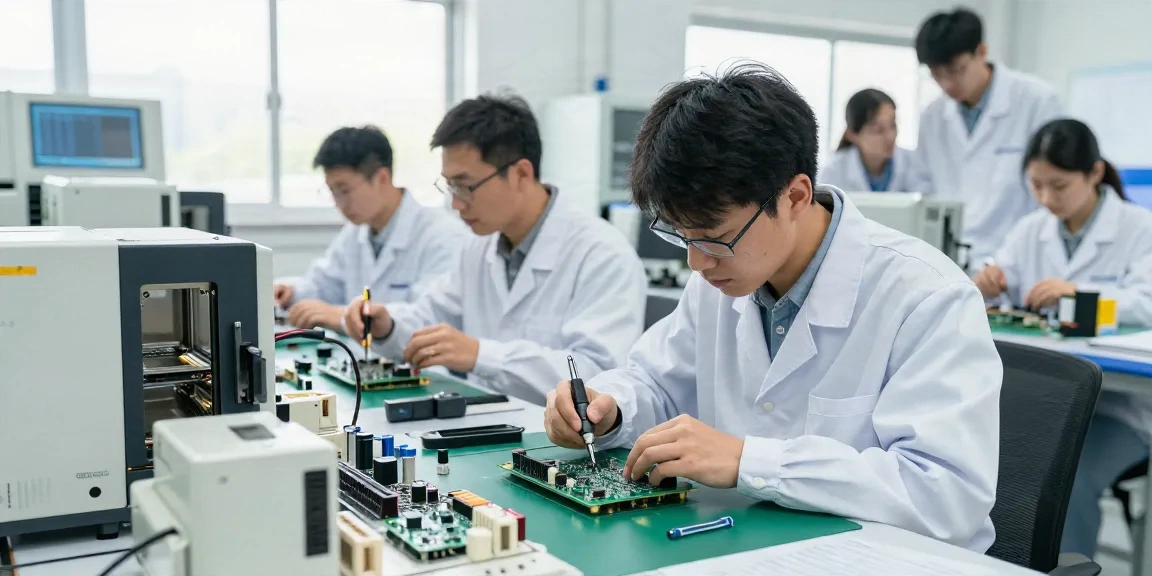
When it comes to manufacturing custom wire harnesses, manufacturers often face the choice between automation and manual assembly techniques. Automated processes can enhance efficiency and consistency in high-volume production, while manual techniques may be better suited for low-volume, high-variability orders. A balanced approach that employs both methods may yield the best results in terms of quality and cost-effectiveness.
Testing and Certification Standards
Once manufactured, custom wire harnesses must undergo rigorous testing to ensure they meet all relevant safety and performance standards. This might include electrical testing, environmental testing, and compliance with UL, RoHS, and REACH standards. Obtaining the necessary certifications not only validates the quality of the harness but also instills confidence in customers regarding its reliability.
Challenges Faced by Custom Wire Harness Manufacturers
Common Misconceptions in Custom Manufacturing
One prevalent misconception is that custom wire harnesses are prohibitively expensive. While they can be more expensive than standard options, the long-term benefits, such as improved reliability and reduced risks of failures, often outweigh initial costs. Educating clients on the value of investing in custom solutions is essential for manufacturers.
Addressing Supply Chain Disruptions
Modern manufacturers face significant challenges related to supply chain disruptions, influenced by global events and increased demand for certain materials. Establishing robust relationships with suppliers and diversifying material sources can help mitigate these risks and ensure a steady flow of quality components for harness production.
Navigating Regulatory Compliance in Different Markets
Manufacturers must also navigate a complex web of regulatory requirements that vary by region. This includes ensuring compliance with local laws regarding materials, safety standards, and environmental impact. Staying informed about changes in regulations and maintaining thorough documentation is crucial for minimizing risk during international shipments.
Future Trends in Custom Wire Harness Manufacturing
Emerging Technologies Impacting Manufacturing
The landscape of custom wire harness manufacturing is evolving, significantly influenced by emergent technologies. Advancements such as IoT (Internet of Things) integrations, AI (artificial intelligence) for production optimization, and advanced robotics for assembly are reshaping manufacturing processes, enhancing efficiency, and improving output quality.
Adaptations in Response to Market Demands
As industries increasingly move toward sustainability, manufacturers are adapting by utilizing eco-friendly materials and implementing energy-efficient production methods. This shift not only helps address environmental concerns but also aligns with the growing consumer preference for green products, creating a competitive edge in the market.
Predictions for the Industry by 2026
Looking ahead to 2026, the custom wire harness manufacturing industry is poised for significant growth. With the continued expansion of electric vehicles, renewable energy solutions, and automation technologies, the demand for high-quality, customized wiring solutions will only increase. Manufacturers who embrace innovation and prioritize quality assurance will likely lead the industry, setting new standards for excellence.
Who makes custom wiring harnesses?
Numerous specialized companies focus on manufacturing custom wiring harnesses, catering to various industries from automotive to medical equipment. These manufacturers often offer bespoke solutions tailored to the specific needs of clients, emphasizing quality and compliance with industry standards.
How much does a custom wiring harness cost?
The cost of a custom wiring harness can vary widely based on factors such as complexity, materials used, and production volume. Simple harnesses may start at a few dollars, while highly complex assemblies can range into the hundreds or thousands of dollars. It’s advisable for clients to consult with manufacturers for accurate quotes tailored to their specific projects.
Who are the top 10 wiring harness manufacturers in the world?
Identifying the top manufacturers can depend on various metrics including production capacity, quality of products, and industry reputation. Some notable names include TE Connectivity, Molex, and Amphenol, which have established themselves as leaders in the wiring harness manufacturing sector.
How can I order a custom wire harness?
To order a custom wire harness, it’s typically necessary to contact a manufacturer directly. Most manufacturers will require detailed specifications, including the type of harness, materials, and quantities needed. Providing as much relevant information as possible helps ensure that the final product meets your expectations.
What are the quality standards for wire harness manufacturing?
Quality standards for wire harness manufacturing often include certifications from organizations like UL, IEC, and ISO. Compliance with these standards ensures that the harnesses are safe, reliable, and suitable for their intended applications. Additionally, manufacturers should have quality assurance processes in place to continuously monitor and improve production quality.