
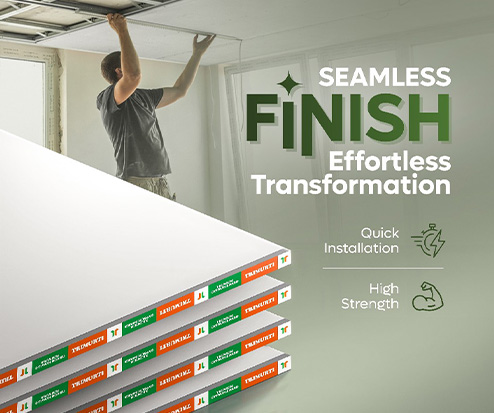
A well-designed ceiling can completely change the appearance and atmosphere of an interior. Whether it is a modern apartment, a spacious villa, a corporate office, or a commercial showroom, ceiling design plays an important role in creating an attractive and comfortable environment. Beyond decoration, a properly planned ceiling can help organise lighting, conceal electrical wiring, accommodate air-conditioning systems, and improve the overall finish of a room.
Homeowners and interior designers today have access to several ceiling materials and design possibilities. Choosing the best false ceiling requires considering more than appearance. Factors such as room dimensions, installation requirements, material quality, maintenance, moisture exposure, and overall budget should also influence the decision. A suitable ceiling solution can complement the interior theme while making the space more functional.
Among the available options, gypsum-based systems have become popular because they offer design flexibility and can create clean, smooth finishes. Understanding the different materials, installation methods, and practical benefits can help property owners make informed decisions.
Understanding Modern False Ceiling Designs
A false ceiling is a secondary ceiling installed below the original structural ceiling. It is generally supported by a framework and can be designed in different shapes, levels, and patterns.
These systems are commonly used in residential and commercial interiors. They can create an elegant appearance while providing space for lighting fixtures, electrical connections, and certain building services.
Some popular ceiling designs include:
- Single-level ceilings: These provide a simple, uniform appearance and are suitable for bedrooms, offices, and living rooms.
- Multi-level ceilings: These incorporate different ceiling heights to create depth and visual interest.
- Cove ceilings: These designs include recessed sections that can accommodate indirect lighting.
- Geometric ceilings: Different shapes and patterns create a contemporary appearance.
- Minimalist ceilings: Clean lines and subtle detailing work well in modern interiors.
The ideal design depends on room size, ceiling height, lighting requirements, and the overall interior concept.
Why Gypsum Is a Popular Ceiling Material
Gypsum is widely used in interior construction because it can be manufactured into boards and plaster products suitable for different applications. Its versatility makes it useful for creating smooth surfaces and customised interior designs.
A gypsum board ceiling can provide a neat and contemporary finish while supporting different lighting arrangements. Gypsum boards are generally fixed to an appropriate framework using compatible screws and accessories. Joints are then treated with suitable jointing materials to create a consistent surface.
Some advantages of gypsum ceiling systems include:
Design Flexibility: Gypsum boards can be used to create straight, curved, layered, and decorative ceiling arrangements, subject to the board type and installation method.
Smooth Appearance: Proper joint treatment and finishing help create an even surface suitable for painting and interior decoration.
Lighting Integration: Recessed lights, concealed lighting, and selected decorative fixtures can be incorporated into the design.
Concealed Services: The space above the ceiling can accommodate electrical wiring and certain building services when properly planned.
Efficient Installation: Dry construction methods can help organise installation work and reduce some of the wet processes associated with conventional construction.
Important Factors to Consider Before Installation
Selecting a ceiling system requires evaluating the practical requirements of the room. A design that looks attractive in a showroom may not necessarily be suitable for every property.
Room Height: False ceilings reduce the available ceiling height. The proposed design should leave sufficient clearance for comfortable movement and lighting arrangements.
Moisture Conditions: Bathrooms, kitchens, and other moisture-prone areas require appropriate materials and protective measures. The board specification should match the environmental conditions.
Framework Quality: The supporting framework plays an important role in ceiling stability. Properly selected channels, fasteners, and suspension components help create a secure installation.
Lighting Requirements: Electrical points, recessed lights, fans, and other fixtures should be planned before installation begins.
Maintenance Needs: Consider how easily the ceiling can be inspected, repaired, and maintained after completion.
Budget: The total project cost should include boards, framework, accessories, labour, finishing, and lighting provisions.
Evaluating these factors helps prevent unnecessary modifications and supports better long-term performance.
Essential Components of a Gypsum Ceiling System
A durable ceiling depends on the compatibility and quality of its individual components. Gypsum boards are only one part of the complete installation system.
Some important components include:
- Gypsum Boards: These form the visible ceiling surface and are available in different specifications depending on the intended application.
- GI Channels: Galvanised iron channels provide structural support for the ceiling framework.
- Fasteners and Screws: These secure the boards and framework components.
- Jointing Materials: Jointing compounds and tapes help create smooth connections between individual boards.
- Suspension Accessories: These components support and connect the ceiling framework to the existing structure.
Using compatible components and following the manufacturer's installation guidelines can improve the quality and stability of the finished ceiling.
How to Choose the Right Ceiling for Different Rooms
Every room has different functional and aesthetic requirements. Therefore, ceiling designs should be selected according to the purpose of the space.
Living Rooms: Multi-level ceilings and concealed lighting can create an elegant focal point. Simple geometric designs are also suitable for contemporary interiors.
Bedrooms: Minimalist ceilings with soft lighting can create a relaxing atmosphere. Avoid unnecessarily complicated designs in smaller rooms.
Kitchens: Practicality and maintenance should be priorities. Suitable moisture-resistant materials and proper ventilation arrangements are important.
Offices: Clean ceiling layouts with integrated lighting can create a professional working environment. Acoustic requirements may also influence material selection.
Commercial Spaces: Showrooms, hotels, and retail establishments may benefit from customised ceiling designs that complement their interiors and lighting plans.
Consulting an experienced installer or interior designer can help determine which design and material specifications are appropriate for each application.
Installation and Maintenance Tips
Proper installation is essential for achieving a clean and durable ceiling. Before beginning work, the existing ceiling should be inspected for structural issues, water leakage, and other problems that could affect the new installation.
The framework should be marked and installed according to the recommended spacing and load requirements. Boards must be fixed securely, with appropriate joint treatment and finishing.
Electrical wiring and lighting provisions should be completed with proper coordination between the relevant professionals. Heavy fixtures should have suitable independent support rather than relying only on the ceiling boards.
After installation, regular inspection can help identify moisture damage, cracks, or loose components. Any water leakage should be addressed promptly to prevent damage to the ceiling system.
It is also advisable to use compatible paints and finishing materials to achieve a uniform appearance.
Balancing Design, Durability, and Cost
An attractive ceiling should also be practical and financially sensible. Choosing materials only because they are inexpensive can lead to additional maintenance or replacement expenses.
When comparing different systems, consider the complete installation cost instead of focusing exclusively on the board price. The supporting framework, accessories, labour charges, finishing requirements, and lighting arrangements can influence the final budget.
It is equally important to verify product specifications, manufacturer recommendations, and the experience of the installation team.
A carefully planned gypsum system can provide an appealing finish while supporting the functional requirements of a modern interior. The right combination of materials and professional workmanship can also reduce the possibility of avoidable installation problems.
Conclusion
A thoughtfully designed ceiling can enhance the appearance, comfort, and functionality of any interior. Choosing the appropriate materials, framework, accessories, and installation method is essential for achieving a reliable result. Property owners planning a renovation or new construction project should compare available solutions and consider both immediate requirements and long-term maintenance. For those exploring dependable ceiling and interior finishing materials, Trimurti Products offers options such as gypsum boards, GI channels, ceiling tiles, gypsum plaster, and related accessories. Whether planning the best false ceiling for a residential property or a customised gypsum board ceiling for a commercial space, selecting suitable materials from Trimurti Products can help create attractive and functional interiors.