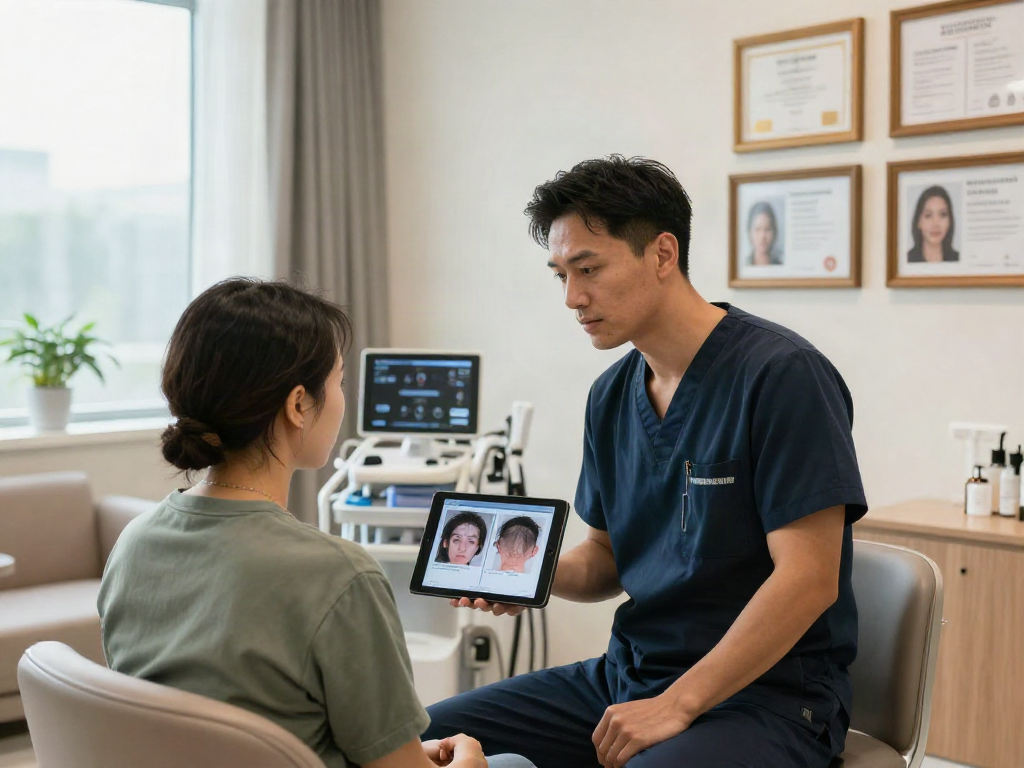
Understanding Hair Transplant Procedures in Turkey
Turkey has emerged as a global leader in hair restoration, attracting thousands of individuals seeking effective solutions for hair loss. With a combination of experienced professionals, state-of-the-art facilities, and competitive pricing, Turkish clinics offer a range of hair transplant options. Exploring hair transplant turkey price is essential for individuals considering this transformative procedure, as it can significantly differ from other countries.
What is a Hair Transplant?
A hair transplant is a surgical procedure that involves transferring hair follicles from a donor site, typically the back of the head, to an area experiencing hair loss. This minimally invasive technique provides a permanent solution for thinning hair, bald spots, and receding hairlines. Patients can expect natural-looking results, as the transplanted hair continues to grow in its new location.
Popular Techniques Used in Turkey
Turkey is renowned for its advanced hair transplant techniques, primarily Follicular Unit Extraction (FUE) and Direct Hair Implantation (DHI). FUE involves harvesting individual hair follicles using a specialized tool, leaving minimal scarring. DHI, on the other hand, allows for immediate implantation without creating recipient sites, resulting in higher graft survival rates. Many clinics in Turkey combine these techniques to cater to individual patient needs.
Expected Outcomes After the Procedure
Most patients can expect to see initial hair shedding within the first few weeks post-surgery, which is normal as the hair follicles adjust. By three to six months, new hair growth typically becomes noticeable, with full results visible within 12 to 18 months. The longevity of the results depends on factors such as the patient's age, hair type, and overall health.
Cost Breakdown: Hair Transplant Turkey Price Factors
Average Costs and What Influences Pricing
The average cost of hair transplants in Turkey ranges between $1,500 to $3,500, depending on various factors such as the clinic's reputation, the surgeon's experience, and the specifics of the procedure. For instance, the number of grafts required and the chosen technique can significantly impact pricing. Additional services, such as accommodation and transport, may also be included in packages, further influencing overall costs.
Comparing Costs: Turkey vs Other Countries
When comparing hair transplant prices globally, Turkey often presents a more affordable option. In countries like the United States and Canada, the costs can exceed $10,000 for similar procedures. Therefore, many individuals are drawn to Turkey not only for the quality of service but also for the significant cost savings.
Hidden Charges to Look Out For
While prices in Turkey are competitive, patients should be vigilant about potential hidden costs. These may include fees for additional treatments, post-operative medications, and follow-up visits. It is advisable for patients to clarify all costs upfront with the clinic to avoid unexpected expenses.
Quality of Services: What to Expect from Clinics
Key Factors in Choosing a Quality Clinic
Selecting the right clinic is crucial for a successful hair transplant. Patients should consider the clinic's accreditation, the expertise of the medical team, and the technology used. Reading reviews and testimonials can also provide insight into other patients' experiences and the quality of care provided.
Health and Safety Standards in Turkey
Turkish hospitals and clinics adhere to strict health and safety regulations, ensuring high standards for surgical procedures. Patients should verify that clinics are certified by relevant health authorities and employ experienced medical personnel to mitigate risks associated with surgery.
Patient Experiences and Testimonials
Patient testimonials provide valuable information regarding the quality and reliability of hair transplant clinics in Turkey. Many individuals share positive experiences, highlighting not only the results of their procedures but also the level of care and support received throughout the process. These testimonials can serve as a useful resource when researching potential clinics.
Post-Procedure Recovery and Care
What to Expect During Recovery
Recovery from a hair transplant typically involves mild discomfort and swelling for the first few days. Patients are usually advised to avoid strenuous activities for a week and to adhere to specific post-operative care instructions to ensure optimal healing.
Aftercare Tips for Successful Outcomes
Proper aftercare is essential for achieving satisfactory results. Patients should follow their surgeon's recommendations regarding washing the hair, using prescribed medications, and attending follow-up appointments. Additionally, a healthy diet and hydration can support recovery.
Long-Term Maintenance of Results
Maintaining the results of a hair transplant involves regular care, including scalp maintenance and potentially ongoing treatments to prevent further hair loss. Patients should consult with their surgeons to develop a long-term plan tailored to their individual needs.
Future Trends in Hair Restoration and Pricing
Technological Advancements in Hair Transplants
Innovation in hair transplant technology continues to evolve, promising enhanced techniques and improved outcomes. Robotics and artificial intelligence are beginning to play a role in hair restoration procedures, potentially increasing precision and reducing recovery times.
Projected Changes in Pricing by 2026
As the demand for hair transplants increases, prices may fluctuate based on market trends, advancements in techniques, and the competitive landscape. However, it is expected that Turkey will continue to offer attractive pricing compared to other leading countries in the field.
Expert Insights on the Hair Restoration Market
Industry experts predict continued growth in the hair restoration market, with advancements in non-surgical alternatives also gaining traction. As awareness of hair transplants increases, more clinics may enter the market, contributing to price competitiveness and innovation.
What Are Common Misconceptions About Hair Transplants?
Several myths surround hair transplants, including misconceptions about pain and the permanence of results. Many patients report minimal discomfort during and after the procedure. Furthermore, while transplanted hair can last a lifetime, ongoing maintenance may be necessary to combat natural hair loss.
How Can One Prepare for a Hair Transplant?
Preparation for a hair transplant involves both physical and mental readiness. Patients should consult with their clinics about pre-operative instructions, which may include adjusting medications, avoiding alcohol, and managing stress levels. Being well-informed about the procedure can lead to a more positive experience.
What Are the Risks Associated with Hair Transplants?
Like any surgical procedure, hair transplants come with potential risks. Common risks include infection, scarring, and unnatural-looking results if not performed by an experienced surgeon. Discussing these risks in detail with a healthcare provider can help patients make informed decisions.
What Should I Consider Before Choosing Turkey for Hair Transplant?
Before opting for a hair transplant in Turkey, potential patients should evaluate factors such as the clinic's reputation, the qualifications of the medical team, and the overall cost. It's also essential to consider travel logistics, aftercare options, and personal comfort with having the procedure performed abroad.
How Can I Verify a Clinic’s Credentials?
Patients can verify a clinic's credentials by checking for certifications from recognized medical boards and health authorities. Many clinics will provide proof of accreditation on their websites, and potential patients are encouraged to conduct thorough research, including reading reviews and possibly contacting former patients.
Are There Any Alternative Treatments to Hair Transplant?
While hair transplants are a permanent solution, there are alternatives such as topical treatments, laser therapy, and PRP (Platelet-Rich Plasma) therapy that may suit individuals not ready for surgery. Consulting with a dermatologist or trichologist can help determine the best course of action based on individual needs.