Understanding Common Plumbing Issues in Fort Worth
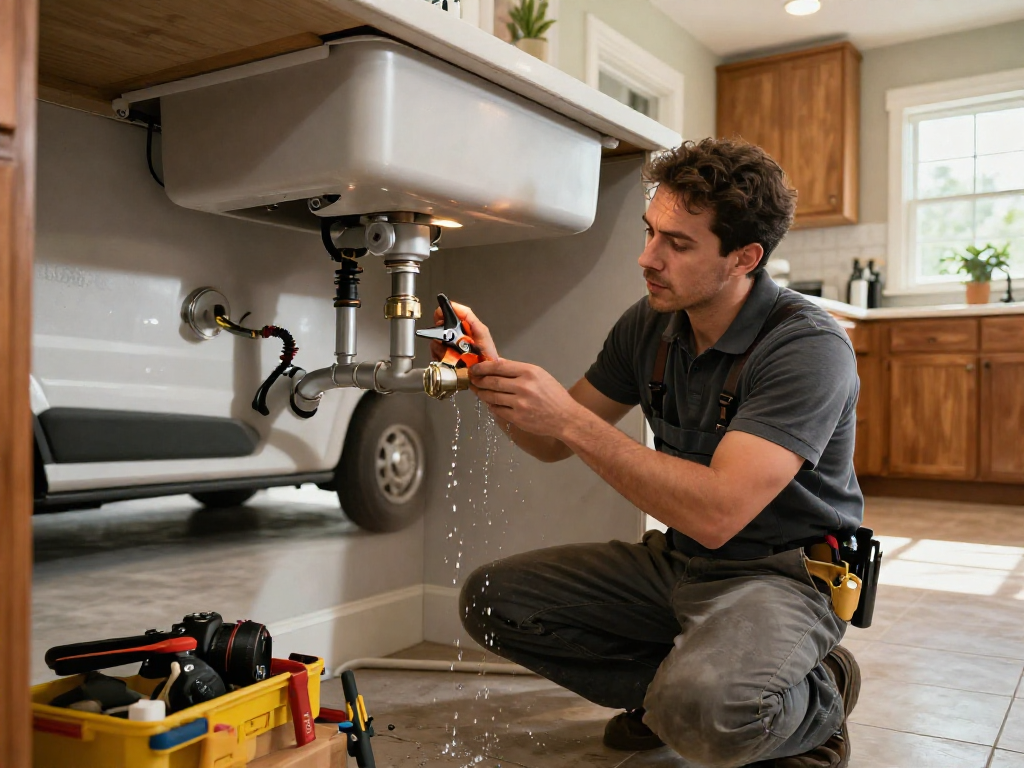
Homeowners in Fort Worth understand that plumbing issues can arise unexpectedly, often leading to costly repairs and significant inconveniences. From minor leaks to major water heater failures, being aware of common plumbing problems can save you time, money, and stress. Identifying these issues early and knowing when to call a professional can lead to effective solutions, ensuring your home's plumbing systems function smoothly. leak repair Fort Worth is just one aspect of comprehensive plumbing services that many homeowners may find themselves needing.
What Are the Most Frequent Plumbing Problems?
In Fort Worth, some of the most frequent plumbing problems include:
- Leaky faucets and toilets: These are not only annoying but can also lead to higher water bills over time.
- Clogged drains: Hair, grease, and debris can contribute to blockages, requiring professional drain cleaning.
- Water heater issues: Cold showers can be a surprise if your water heater is malfunctioning.
- Broken sewer lines: Tree roots and shifting soil can cause serious issues, leading to sewage backups.
- Pipe leaks: Hidden leaks can cause significant water damage if left untreated.
Signs You Might Need Leak Repair
Noticing signs of a leak in your home early can prevent more extensive damage. Common indicators include:
- Increased water bills without a known reason.
- Water stains on walls or ceilings.
- Unpleasant odors, indicating possible mold or mildew.
- Visible dampness around baseboards or flooring.
- Running water sound when no fixtures are in use.
When to Call a Professional Plumber?
It’s essential to understand the right time to call a professional. If you notice any signs of leaks or other significant plumbing issues that you cannot resolve easily, reach out to a professional plumber. Waiting too long can lead to extensive damage, increasing repair costs.
How to Identify Leak Problems
Identifying leaks can sometimes be challenging, especially when they occur in hidden areas of your home. However, knowing how to detect them can save you time and money in the long run.
Visual Indicators of Leaks in Your Home
Keep an eye out for the following visual signs that may indicate a leak:
- Water stains on ceilings or walls.
- Peeling or bubbling paint and wallpaper.
- Cracked tiles or flooring.
- Moist areas in unexpected spots.
- Mold growth near plumbing fixtures.
Using Tools for Leak Detection
For more precise leak detection, consider using tools such as:
- Ultrasonic leak detectors: These devices can identify changes in sound frequencies that indicate leaks.
- Moisture meters: These can help find moisture levels in various materials, indicating potential leaks.
- Infrared cameras: These cameras can detect temperature differences and humidity in walls, floors, and ceilings.
Understanding Water Meter Readings
Your water meter can be a valuable tool in detecting leaks. Start by checking your meter before and after a two-hour period when no water is being used. If the reading changes, it likely indicates a leak somewhere in your plumbing system.
Emergency Leak Repair Protocols
When faced with a plumbing emergency, knowing how to respond is crucial. Implementing emergency leak repair protocols can mitigate damage until a professional arrives.
What to Do Before the Plumber Arrives
In the event of a leak, take these preliminary steps:
- Shut off the main water supply to prevent further damage.
- Drain excess water from pipes by running faucets.
- Use towels or a wet/dry vacuum to minimize water accumulation.
- Document the area with photos for insurance claims.
- Notify your insurance company if needed.
Common Emergency Leak Repair Techniques
While waiting for a professional, you can employ temporary solutions:
- Use duct tape or plumbing putty to seal small leaks in visible pipes.
- Place buckets or containers to catch dripping water.
- If the leak is severe, consider using a hose clamp and a piece of rubber to cover the area until repairs can be made.
Preventive Measures for Future Leaks
Preventing future leaks involves regular maintenance and inspections:
- Inspect your plumbing regularly, looking for signs of wear.
- Replace old or rusty pipes before they fail.
- Ensure that all seals and fittings are properly secured.
- Consider insulation in areas prone to freezing temperatures.
Choosing the Right Plumbing Service
Finding a reliable plumbing service is essential for timely and effective repairs. Here are some key factors to consider when selecting a plumbing company:
What to Look for in a Plumbing Company?
Look for a plumbing service that offers:
- Experience with residential plumbing issues.
- Positive customer reviews and testimonials.
- A qualified team of licensed and insured plumbers.
- Expertise in emergency services and repairs.
Importance of Licensed and Insured Services
Always choose a licensed and insured plumbing service to protect yourself from liability. This ensures that the technicians are qualified and that you are covered in case of accidents or damages during the repair process.
Evaluating Clear Up-Front Pricing
Transparent pricing is a hallmark of quality plumbing services. Look for companies that provide clear estimates before starting work. This helps prevent surprises on your final bill and gives you confidence in the service provided.
Steps for DIY Leak Repair
If you're a hands-on homeowner, some minor leak repairs can be accomplished through DIY methods. Here’s how to approach simple repairs safely.
Basic Tools and Materials Needed
Before starting a DIY project, gather the necessary tools:
- Adjustable wrench
- Screwdrivers (flat and Phillips)
- Pliers
- Teflon tape
- Pipe sealant
- Bucket
Step-by-Step Guide to Simple Leak Repairs
Follow these steps for simple leak repairs:
- Identify the source of the leak.
- Shut off the water supply to the affected area.
- Tighten loose fittings or replace washers if necessary.
- Apply Teflon tape to threaded connections before reattaching.
- Turn the water supply back on and check for leaks.
When DIY Is Not an Option!
While some leaks can be repaired independently, others require professional assistance. Call a plumber if:
- The leak is severe or inaccessible.
- You’re unsure about the repair process.
- There’s potential damage to your home structure.
FAQs
What are the best practices for preventing leaks?
Regularly inspect your plumbing, look for signs of wear, and consider routine maintenance with a professional plumber.
How can I find a reliable plumber in Fort Worth?
Seek recommendations from friends or family, check online reviews, and look for licensed and insured companies in your area.
What should I do if I have a plumbing emergency?
Shut off the water supply, contain the leak, and call a professional plumbing service immediately.
How often should I inspect my plumbing?
It's advisable to conduct a thorough inspection at least once a year, or more frequently if you live in an older home.
Can I fix a leak myself, or should I always hire a professional?
Minor leaks can often be handled DIY, but for significant or complicated issues, it's best to hire a licensed plumber.