Understanding Holistic Development in Early Childhood Education
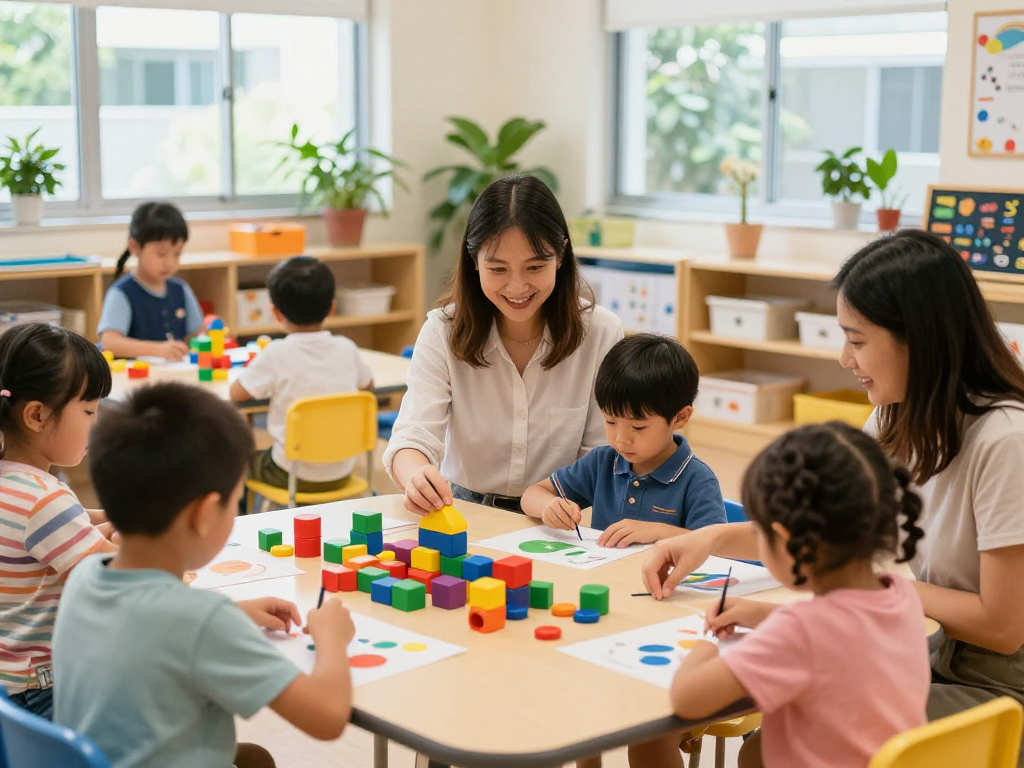
In today’s rapidly changing world, the role of early childhood education has transformed significantly. Parents and educators alike are becoming increasingly aware of how vital a child's early years are for lifelong learning and development. At Pegasus International Preschool, we emphasize a holistic approach to education, recognizing that children thrive when their emotional, social, cognitive, and physical development is nurtured in tandem. This comprehensive perspective shapes our philosophy and is woven into every aspect of our curriculum and daily routines.
When exploring options, best international preschool singapore provides comprehensive insights into how to best support your child's early developmental stages. Our commitment to holistic development means that we focus not just on academic excellence, but also on fostering social skills, emotional intelligence, and creativity in a nurturing environment.
What Does Holistic Development Mean?
Holistic development in early childhood education is an approach that promotes the growth of children across multiple domains: cognitive, social, emotional, and physical. This method recognizes that each facet of a child’s development is interconnected. For example, emotional stability can significantly enhance cognitive abilities, while social interactions are crucial for developing language skills.
At Pegasus, we believe that an integrated approach, where children engage in activities that promote these diverse aspects, leads to well-rounded individuals prepared for future challenges. Our curriculum is designed to incorporate activities that stimulate not only academic learning but also interpersonal skills and emotional resilience.
The Importance of Early Years in Lifelong Learning
The early years set the foundation for lifelong learning and development. Research indicates that approximately 80% of a child’s brain develops by the age of three, emphasizing the critical nature of these formative years. Experiences during this time significantly influence their future learning trajectories, behavior, and overall well-being.
Providing a nurturing and stimulating environment, such as that found at Pegasus International Preschool, supports this critical window for development. Our inquiry-based learning framework encourages curiosity and exploration, ensuring that children are not only absorbing information but also learning how to learn.
Core Components of Holistic Growth
- Cognitive Development: Engaging the mind through problem-solving and creative thinking activities.
- Social Development: Facilitating interactions among peers to develop social skills and empathy.
- Emotional Development: Helping children identify and express their emotions, nurturing resilience.
- Physical Development: Encouraging movement and coordination through play and exploration.
Inquiry-Based Learning: The Key to Effective Education
What is Inquiry-Based Learning?
Inquiry-based learning is an educational strategy that encourages students to learn by asking questions, investigating, and exploring. This method shifts the focus from traditional rote memorization to active engagement in the learning process, fostering a deeper understanding of subject matter.
At Pegasus, we implement this approach to align with our holistic development goals and to harness the natural curiosity that children possess. By promoting inquiry, we invite our students to take ownership of their learning journey.
Benefits of Inquiry Over Traditional Methods
The shift from rote learning to inquiry-based methods presents numerous advantages:
- Enhanced Engagement: Children are more invested in their learning when they are actively involved in the process.
- Critical Thinking Skills: Inquiry promotes analytical skills as children evaluate information, draw conclusions, and solve problems independently.
- Increased Retention: Active exploration leads to more profound comprehension and longer-lasting retention of knowledge.
Examples of Inquiry-Based Activities in Preschool
Inquiry-based activities can take many forms in a preschool setting. Some examples include:
- Interactive Science Experiments: Simple experiments that allow children to hypothesize and observe outcomes.
- Storytelling Sessions: Encouraging children to create their own stories enhances language skills and imagination.
- Outdoor Exploration: Activities such as nature walks where children can ask questions about their surroundings.
Creating a Conducive Learning Environment
Design Elements that Foster Engagement
A well-designed learning environment is crucial for fostering engagement and exploration. At Pegasus International Preschool, our classrooms are intentionally structured to facilitate interaction and discovery. Elements such as flexible seating arrangements, resource-rich activity stations, and visually stimulating decor help create an inviting space for children to engage in learning.
Safe and Stimulating Spaces for Exploration
Ensuring a safe yet stimulating environment is paramount. Our facilities are equipped with age-appropriate materials and resources, allowing children the freedom to explore while also ensuring their safety. From soft play areas to creative art spaces, we cater to various interests and developmental needs.
Role of Natural Light and Outdoor Play Areas
Natural light significantly impacts mood, focus, and energy levels. Our classrooms are designed to maximize natural light, creating a warm and inviting atmosphere. Additionally, expansive outdoor play areas allow for physical play, which is essential for children's overall health and well-being.
Importance of Parental Involvement in Preschool
Building a Collaborative Community
Parental involvement is a cornerstone of our educational philosophy at Pegasus. We recognize that children thrive in environments where parents are actively engaged in their learning journey. By fostering a strong partnership between educators and families, we create a supportive community that benefits everyone.
How Parents Can Support Learning at Home
Parents play a vital role in reinforcing the lessons learned at preschool. Simple activities at home, such as reading together, engaging in creative play, or discussing daily experiences, can significantly enhance a child's learning. Encouraging questions and curiosity at home sets the stage for inquiry-based learning.
Engaging Families: Programs and Activities
We offer various programs and activities that involve families in the learning process, such as family workshops, school events, and parent-teacher conferences. These initiatives not only strengthen the home-school connection but also provide valuable opportunities for parents to engage with their child’s education.
Preparing Children for a Diverse World
Embracing Cultural Diversity in Education
In our increasingly globalized society, fostering an appreciation for cultural diversity is essential. At Pegasus, we celebrate various cultures and perspectives, including language and customs, to help children develop respect and empathy for differences.
Language Programs at the Best International Preschool
We offer comprehensive language programs in English, Mandarin, and Japanese, reflecting our commitment to providing a trilingual education. This approach not only facilitates language acquisition but also better prepares our students for a multicultural world.
Developing Adaptability and Respect for Differences
By exposing children to diverse cultures and languages, we nurture adaptability and respect for others. Activities that draw from various cultural traditions not only broaden our students' horizons but also create a sense of belonging among different families.
FAQs
What age groups does the preschool cater to?
Our preschool programs cater to children aged 18 months to 6 years, accommodating various developmental needs and learning styles.
How does the preschool ensure individual attention for every child?
We maintain a low student-to-teacher ratio to ensure that each child receives personalized attention and care, allowing educators to support individual learning journeys effectively.
What are the unique features of the curriculum?
Our curriculum is inspired by the Reggio Emilia approach, emphasizing inquiry-based learning, creativity, and holistic development while catering to children’s emerging interests.
How is parental involvement encouraged?
We actively encourage parental involvement through regular communication, workshops, and community events, fostering a strong partnership between families and educators.
What steps are taken to foster cultural appreciation?
We embrace cultural diversity through language programs, multicultural celebrations, and activities that highlight various traditions, promoting understanding and respect among our students.