Understanding the Concept of Facial Age Estimation
With the rapid advancement of technology, especially artificial intelligence, the quest to answer the question “how old do I look” has gained significant traction. Facial age estimation is a fascinating blend of art and science, combining deep learning algorithms with our innate curiosity about age perception. Understanding how these systems work can help users leverage these tools effectively and understand the results they generate.
What is Facial Age Estimation?
Facial age estimation refers to the process of analyzing a person’s facial features to predict their perceived age. This technique utilizes sophisticated algorithms and databases, often powered by artificial intelligence (AI), to assess physical attributes such as skin texture, wrinkles, and facial shape.
These systems are trained on vast datasets comprising images of individuals of varying ages, allowing the AI to identify patterns and key features that are commonly associated with different stages of aging. As a result, users can upload their photos and receive an estimated age based on these analyses.
The Role of AI in Age Guessing
AI plays a pivotal role in age guessing technologies, enhancing accuracy and efficiency. Machine learning models are trained to recognize subtle nuances in facial features that might indicate age. For instance, the presence of crow's feet, skin elasticity, and pigmentation changes are indicators that AI systems utilize to arrive at an age estimation.
Moreover, ongoing advancements in AI are constantly improving the accuracy of these estimations. With innovations like convolutional neural networks (CNNs) designed specifically for image processing, the potential for reliable age detection continues to grow. This ensures users not only receive a fun output but one that is backed by data.
Importance of Accurate Age Estimation
Accurate age estimation holds significant value across various industries, from beauty and skincare to healthcare and marketing. In the beauty industry, for instance, brands may tailor product recommendations based on an individual's perceived age, allowing for more personalized marketing strategies.
In healthcare, understanding perceived age can help in assessing lifestyle impacts on skin health and overall well-being. This can guide interventions that promote healthier aging. Thus, exploring tools that answer the question “how old do I look” becomes essential for individuals seeking not only fun but also insightful feedback to inform their choices.
How to Use Online Age Guessing Tools
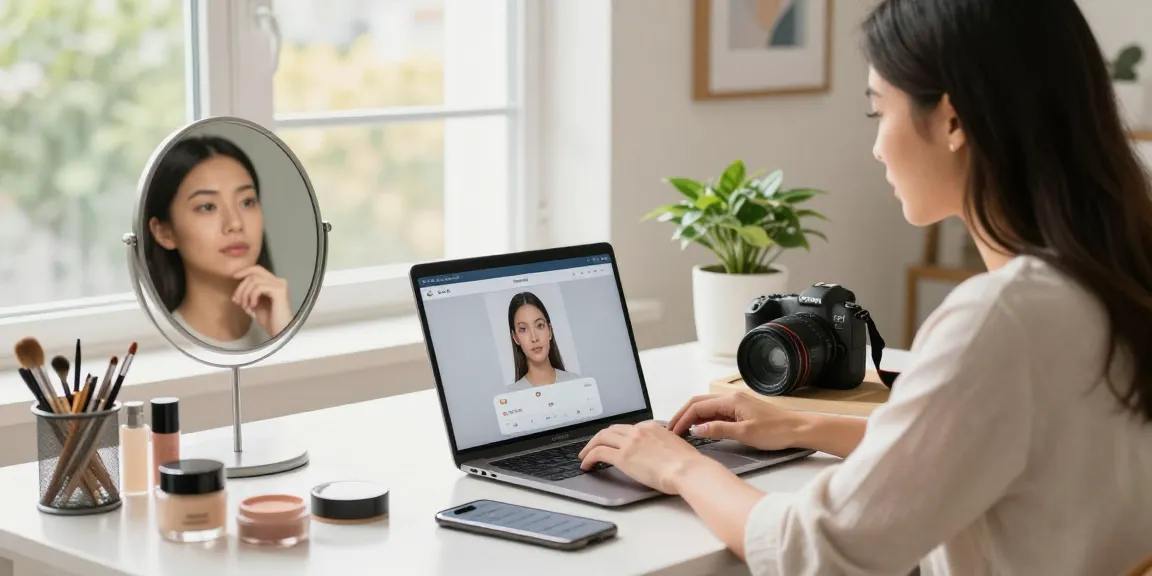
The rise of online tools for estimating how old you look has made this technology accessible to everyone. These platforms typically allow users to upload a photo and receive an age estimation almost instantaneously. However, to maximize the experience, it's important to understand how to effectively use these tools.
Choosing the Right Platform for Age Estimation
When selecting an age estimation tool, consider factors such as user reviews, privacy policies, and the technology behind the tool. Some popular options include FaceAge.ai and Fotor; both platforms employ advanced AI algorithms for accurate predictions. Look for tools that provide clear explanations of how their models operate to instill confidence in the results.
Uploading Your Photo: Best Practices
To achieve the best results, ensure that your photo meets certain criteria:
- Use a well-lit photo with a clear view of your face.
- Avoid heavy makeup or filters that can obscure natural features.
- Ensure the photo is of high resolution for better analysis.
- Face the camera directly to provide the AI with an unobstructed view.
Interpreting the Results of Age Calculators
Once you receive your estimated age, it’s important to approach the results with a balanced perspective. While these tools can be surprisingly accurate, they are not infallible. Factors such as lighting, photo quality, and even facial expressions at the time of the photo can significantly impact the outcome.
Consider using the results as a fun insight rather than a definitive assessment. Experimenting with different photos can further reveal how varied the estimates can be based on different contexts.
Factors Affecting Perceived Age
Several elements contribute to how old a person looks, and understanding these factors can enhance your results when using age estimation tools.
Skincare and Its Impact on Facial Age
Skincare routines play a crucial role in maintaining youthful appearance. Regular moisturizing, sun protection, and using products containing anti-aging ingredients like retinol can significantly slow visible signs of aging. The consistency of your skincare routine, combined with lifestyle choices like diet and hydration, can affect your perceived age as measured by facial analysis tools.
The Influence of Genetics on Aging
Genetics largely determines how your skin ages. Some individuals may naturally retain elasticity and a youthful glow due to their genetics, while others may show signs of aging earlier. Acknowledging this aspect can help users set realistic expectations when using facial age estimation tools.
Environmental Factors: How They Shape Your Appearance
Environmental influences such as UV exposure, pollution, and lifestyle choices can all impact skin health and appearance. For instance, prolonged sun exposure can lead to premature aging, while a healthy diet rich in antioxidants can promote a youthful look. Evaluating these factors is essential for a comprehensive understanding of the results provided by age estimation technology.
Challenges and Misconceptions in Age Estimation
Despite the advancements in technology, several challenges and misconceptions surround age estimation tools that users should be aware of.
Common Errors When Using Age Guessing Tools
Users often make mistakes that can lead to inaccurate results. For example, submitting a low-quality photo, using heavily filtered images, or failing to provide a clear view of the face are common pitfalls. It’s crucial to follow best practices for photo submissions to ensure that the AI has the best chance of making an accurate estimation.
Understanding Limitations of Facial Recognition Technology
Facial recognition technologies, including age estimation tools, are not without limitations. These systems can sometimes struggle with variations in skin tone, facial hair, and unique features that may not fit their training data. This inconsistency can lead to varying results across different platforms.
Separating Myth from Reality in Age Perception
There are numerous myths surrounding age perception, such as the belief that all individuals of the same chronological age look alike. In reality, perceived age is influenced by a multitude of factors, and it varies widely among individuals. Being aware of these myths can help users approach their results with a critical and informed mindset.
The Future of Age Estimation Technology
The field of age estimation technology is continuously evolving, with innovations occurring at a remarkable pace. As we look ahead, here are some trends and predictions for the future of this fascinating area.
Emerging Trends in Facial Recognition for Age Analysis
One of the most exciting trends is the integration of augmented reality (AR) in age estimation tools. Future platforms may offer users a real-time analysis of how their perceived age changes based on different virtual scenarios, including altered lighting or cosmetics.
Additionally, as AI models become more sophisticated, we can expect greater accuracy in age predictions, with the potential for tailored suggestions on skincare and lifestyle adjustments based on individual assessments.
Predictions for Age Estimation Tools in 2026
By 2026, we may witness a significant shift in how we utilize age estimation tools. Advanced algorithms will likely incorporate more diverse datasets, improving inclusivity in age predictions across various demographics. Moreover, these tools might become standard features in skincare apps, assisting users in tracking the efficacy of their routines over time.
How to Stay Updated with the Latest Innovations
Keeping abreast of advancements in facial recognition and age estimation technology is essential for informed usage. Follow industry news, participate in related online forums, and engage with tech blogs that focus on AI and health trends. This proactive approach will ensure you remain updated on the best practices and innovations in the field.
What is the best photo resolution for age estimation?
The optimal resolution for age estimation typically falls within the range of 800x600 pixels to 1920x1080 pixels. Higher resolution images provide the AI with more detail to analyze, thus improving estimation accuracy.
Are age guessing tools accurate?
While many users find age guessing tools to be surprisingly accurate, results can vary based on several factors, including the quality of the photo, lighting, and the technology used by the platform. It's best to use these results as a fun guideline rather than a definitive metric.
Can lighting affect the results of age estimations?
Yes, lighting plays a crucial role in how your photo displays facial features. Soft, natural lighting tends to yield the best outcomes, while harsh artificial light can create shadows and distort perceived age.
How often should I use these tools for the best results?
Using age estimation tools regularly can be beneficial for tracking changes in your appearance over time, especially if you are adjusting your skincare routine. However, the outcome may vary depending on factors such as skincare products and environmental changes.
What factors should I consider when interpreting my age estimate?
Always consider the context of your photo, including lighting, makeup, and facial expressions. Additionally, be mindful that these tools provide estimates based on algorithmic predictions, which may not always align with actual biological age.