Understanding Ceiling Speakers
Ceiling speakers, also referred to as recessed speakers, are a modern solution for audio integration in homes and commercial spaces. These speakers are designed to be installed directly into the ceiling, offering a sleek and unobtrusive way to enhance sound quality without sacrificing valuable floor space. With the advancement of technology, ceiling speakers today offer not only high-quality sound but also integration with smart home systems, making them a popular choice for audio enthusiasts and casual listeners alike. When exploring options, اسپیکر سقفی provides comprehensive insights into how these devices can be leveraged for optimal sound experiences.
What is a Ceiling Speaker?
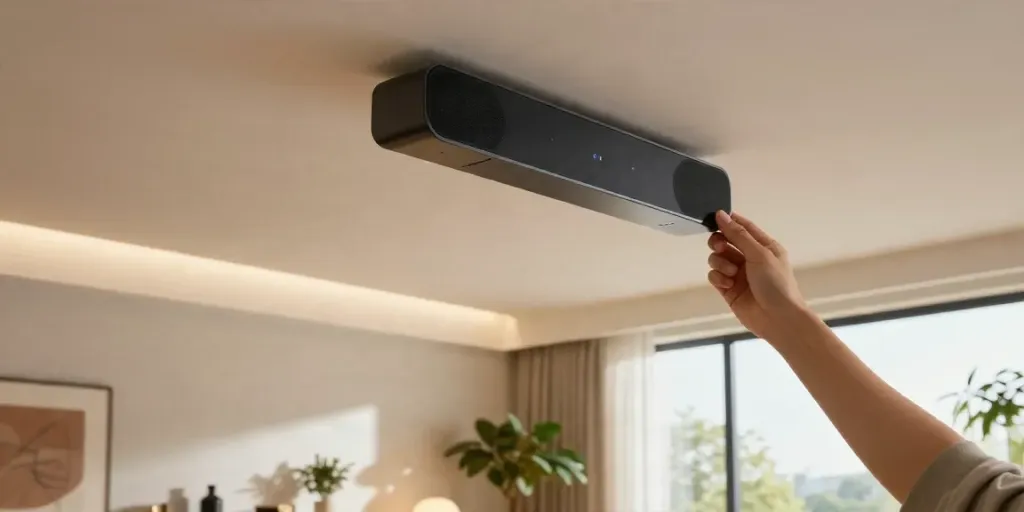
A ceiling speaker is essentially a speaker that is flush-mounted into the ceiling, allowing it to blend seamlessly with the architecture of a room. Unlike traditional speakers that occupy floor space, these audio devices provide unobtrusive sound delivery and can fill a space evenly, making them an ideal choice for various environments, including homes, offices, and retail setups.
Advantages of Using Ceiling Speakers
- Space-Saving Design: Since they are installed in the ceiling, they do not take up any floor space, making them perfect for smaller rooms.
- Aesthetic Integration: Ceiling speakers can be painted to match the ceiling color, creating a clean and modern look.
- Even Sound Distribution: Positioned strategically, they can deliver uniform sound throughout the space, without the need for multiple standalone speakers.
- Smart Home Compatibility: Many modern ceiling speakers are designed to work with smart home systems, allowing for easy control via smartphones or voice-activated devices.
Common Misconceptions about Ceiling Speakers
Despite their growing popularity, there are several misconceptions surrounding ceiling speakers. A common myth is that they cannot produce high-quality sound comparable to traditional floor speakers. However, many models are engineered with advanced technology to ensure excellent audio performance. Additionally, some people believe that installation is overly complicated; in reality, with the right tools and guidance, installation can be straightforward and manageable for most DIY enthusiasts.
Key Features to Look for in a Ceiling Speaker
Sound Quality and Performance Metrics
When choosing a ceiling speaker, sound quality is paramount. Look for speakers with good frequency response, which is typically indicated in hertz (Hz). A wider range (20 Hz - 20 kHz) generally signifies better sound quality. Consider also the power handling, usually measured in watts, as higher wattage can mean louder sound without distortion.
Design and Aesthetics Considerations
Aesthetics play a significant role in the choice of ceiling speakers. Many models come with customizable grilles that can be painted to match the ceiling color. This allows for a cleaner installation that blends in rather than stands out.
Connectivity Options: Wired vs. Wireless
Connectivity options are essential when considering which ceiling speaker to purchase. Wired speakers typically offer better sound quality and reliability, while wireless models provide flexibility in placement and ease of installation. Assess your audio needs and space configuration to determine the best option.
Installation Process for Ceiling Speakers
Tools Required for Installation
Installing ceiling speakers requires some specific tools. Generally, you will need a stud finder, a drywall saw, a drill, screws, and speaker wire. Having the right tools on hand can make the installation process smoother.
Step-by-Step Installation Guide
- Plan Speaker Placement: Determine optimal locations for the speakers for even audio distribution.
- Cut Holes: Use a drywall saw to cut out holes based on the size of the speakers.
- Run Speaker Wire: Fish the speaker wire through the ceiling to connect to the audio source.
- Mount the Speakers: Insert the speaker into the hole and secure it according to the manufacturer’s instructions.
- Connect to Power: Ensure all electrical connections are secure and function properly.
Common Installation Challenges and How to Overcome Them
One of the most common challenges faced during installation is encountering ceiling joists that interfere with speaker placement. Using a stud finder can help navigate this issue effectively. Additionally, ensuring that the wires are adequately hidden may require extra effort, but it's essential for maintaining a clean look.
Choosing the Right Ceiling Speaker for Your Needs
Best Brands for Ceiling Speakers in 2026
As the ceiling speaker market grows, several brands are rising to the top. Leading brands include JBL, Klipsch, and Polk Audio, all of which offer models renowned for their sound quality and durability. Researching each brand’s offerings can provide insights into which may best suit your specific needs.
Price Range and Budgeting for Installation
The price of ceiling speakers can vary significantly based on brand, technology, and features. Entry-level models may start around $50, while high-end options can exceed $500. Additionally, consider installation costs, whether hiring a professional or doing it yourself, as this can add to your overall budget.
Comparative Analysis of Popular Models
Comparing different models can help narrow down the ideal choice for your space. Consider aspects such as sound quality, ease of installation, and design aesthetics. Online reviews and expert analyses often provide valuable insights into how well different models perform in real-world situations.
Future Trends in Ceiling Speaker Technology
Smart Home Integration and Innovations
The integration of smart technology into ceiling speakers is becoming increasingly prevalent. Many new models allow for seamless connection with smart home devices, enabling users to control audio through voice commands or smartphone apps. This trend is likely to expand further, with innovations in artificial intelligence and machine learning enhancing user experiences.
Sustainability in Audio Equipment Manufacturing
As consumers become more environmentally conscious, manufacturers are beginning to prioritize sustainability in the production of audio equipment, including ceiling speakers. This includes using eco-friendly materials and processes that reduce carbon footprints. In the future, consumers can expect to see more products marketed with these values in mind.
Predictions for Audio Technology in 2026
Looking ahead to 2026, we anticipate significant advancements in audio technology. Enhancements in wireless technology, such as improved Bluetooth and Wi-Fi connectivity, are expected to make ceiling speakers even more versatile and easier to integrate into various setups.
What are the benefits of ceiling speakers?
Ceiling speakers offer numerous benefits, including space-saving design, aesthetic integration, and enhanced sound distribution. They are ideal for both residential and commercial applications.
How do I install ceiling speakers properly?
Proper installation involves planning speaker placement, cutting appropriate holes, running speaker wire, mounting the speakers securely, and connecting them to power.
What are the best brands for ceiling speakers?
Brands such as JBL, Klipsch, and Polk Audio are among the top choices for ceiling speakers, known for their quality and performance.
What features should I consider when buying ceiling speakers?
Consider sound quality, design aesthetics, and connectivity options when purchasing ceiling speakers to ensure they meet your audio needs.
Are ceiling speakers compatible with smart home systems?
Many modern ceiling speakers are designed to be compatible with smart home systems, allowing for greater flexibility and control.